Established in 1907

Shri Lal Mahal in News

basmati rice exporters

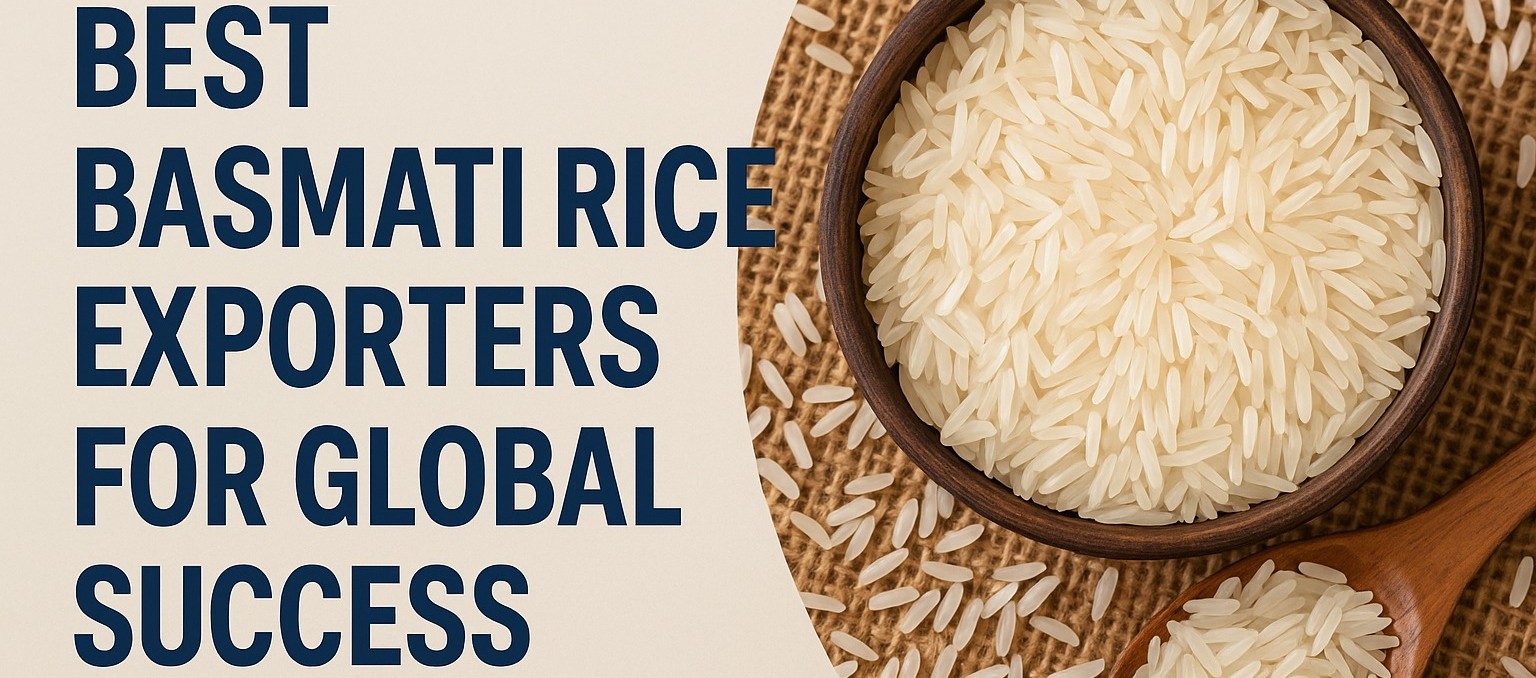
Best Basmati Rice Exporters for Global Success

Are you searching for top-quality Basmati rice exporters to meet your international market demands? Look no further! In this comprehensive guide, we’ll walk you through everything you need to know about choosing the right Basmati rice exporter—from quality assurance to global distribution—ensuring your business thrives in the competitive rice trade.

What to Look for in a Trusted Basmati Rice Exporter


When it comes to selecting the best Basmati rice exporter, making the right choice is crucial for your brand’s reputation and profitability. Here are the essential factors you should consider:

🌾 1. Premium Quality Standards

Quality is the backbone of Basmati rice exports. Look for exporters who work directly with trusted farmers, follow strict quality control, and process rice in hygienic, certified facilities.

🌾 2. Wide Range of Basmati Varieties

A reputable exporter should offer multiple varieties such as 1121 Basmati, 1401, 1509, and Traditional Basmati — tailored to diverse market needs and consumer preferences.

🌾 3. International Certifications

Ensure your chosen exporter complies with global food safety norms. Look for certifications like ISO, HACCP, FSSAI, and APEDA, which reflect a commitment to quality and compliance.

🌾 4. Proven Reliability

Timely delivery and safe packaging are non-negotiable. Partner with exporters who have a track record of dependable shipping and consistent supply.

🌾 5. Customer-Centric Approach

Strong customer support and open communication channels make international partnerships smoother. Choose exporters who are responsive and proactive in meeting your business needs.

💼 Why Work with Basmati Rice Exporters?

Choosing a dedicated Basmati rice exporter offers a host of business advantages:

  • Authentic Varieties: Exporters specialize in supplying genuine Basmati rice known for its long grain, fragrance, and taste.
  • Industry Expertise: Years of experience help exporters maintain high quality, consistency, and compliance with global trade standards.
  • Global Network: Tap into a worldwide distribution system and explore new market opportunities.
  • Competitive Pricing: Benefit from economies of scale and cost-effective sourcing and logistics.
  • Customization Options: Many exporters offer custom branding, packaging, and labeling solutions for your specific market.

🔍 How to Choose the Right Basmati Rice Exporter

Finding the perfect partner takes careful consideration. Follow these steps to ensure a smart and profitable collaboration:

✅ Do Your Research

Compare leading Basmati rice exporters online. Look into reviews, case studies, and testimonials from current or past clients.

✅ Request Product Samples

Before committing to bulk orders, ask for product samples to assess grain length, aroma, texture, and overall quality.

✅ Establish Clear Communication

Smooth coordination is key. Ensure that the exporter is easy to reach and transparent about processes, timelines, and logistics.

✅ Negotiate Terms

Don’t hesitate to negotiate for better prices, favorable payment terms, and customized packaging solutions.

✅ Build a Long-Term Relationship

Strong partnerships lead to long-term success. Choose a Basmati rice exporter who sees your business as a strategic ally — not just a transaction.

🌍 Conclusion: Boost Your Business with the Right Basmati Rice Exporter

Partnering with the right Basmati rice exporters can unlock new opportunities, drive business growth, and satisfy global consumers with premium rice products. From quality control to customized solutions, the best exporters offer trust, value, and international reach.

Whether you’re expanding your product line or entering new global markets, choose a Basmati rice exporter that aligns with your vision and values. Make your mark in the international rice trade with a partner who delivers excellence — grain by grain.

Related Posts

What is Ponni Rice
Blogs
admin

What is Ponni Rice?

Ponni rice is one of the most popular known rice varieties named after the Kaveri river, also known as Ponni in Tamil Nadu. The term “Ponni” in Tamil means “gold,” and the rice is named after the river due to its golden hue and rich taste. This rice variety was initially cultivated in the Kaveri river delta, which includes the Tamil Nadu districts of Thanjavur, Nagapattinam, and Tiruvarur. The Tamil Nadu Agricultural University is credited with the invention of Ponni Rice. The university crossed two existing rice varieties in the 1980s to create a new hybrid variety. Since its invention Ponni rice is widely known for its distinct flavour, aroma, and texture, and has gained popularity and been widely cultivated throughout South India.

Read More »
Is Sona Masoori Rice Good for Diabetics
Blogs
admin

Is Sona Masoori Rice Good for Diabetics?

Sona Masoori rice has carved a niche for itself with its unique aroma, lightweight, and medium-grain rice variety grown mainly in Andhra Pradesh, Telangana, and Karnataka. Sona masoori raw rice is known for its soft texture and mild flavour and is used for daily consumption in South Indian households. Sona masoori rice has carved a different niche for itself in the global rice market which is separate from both high-end aromatic varieties like Basmati and cost-efficient long-grain alternatives like IR64.

Read More »
Shri Lal Mahal Rice A Legacy of Trust Since 1907 in Every Grain
Blogs
admin

Shri Lal Mahal Rice: A Legacy of Trust Since 1907 in Every Grain

For centuries, rice has been the most important part of Indian meal. Whether it is a festival or a mundane day, rice delicacies like Biryani, Pulaav, etc. are served to make the day more special for everyone. However, no matter the days and the occasion one thing which is very common is the company of rice which is served in every plate both in India and abroad. When we talk about one of the some consumed edible items, especially in India, the very first name that comes in our mind is Shri Lal Mahal Rice. A name that is synonymous with trust, quality, and tradition.

Read More »