Established in 1907

Shri Lal Mahal in News

Blog banner

The Health Benefits of Basmati Rice: Why Shri Lal Mahal Rice Stands Out

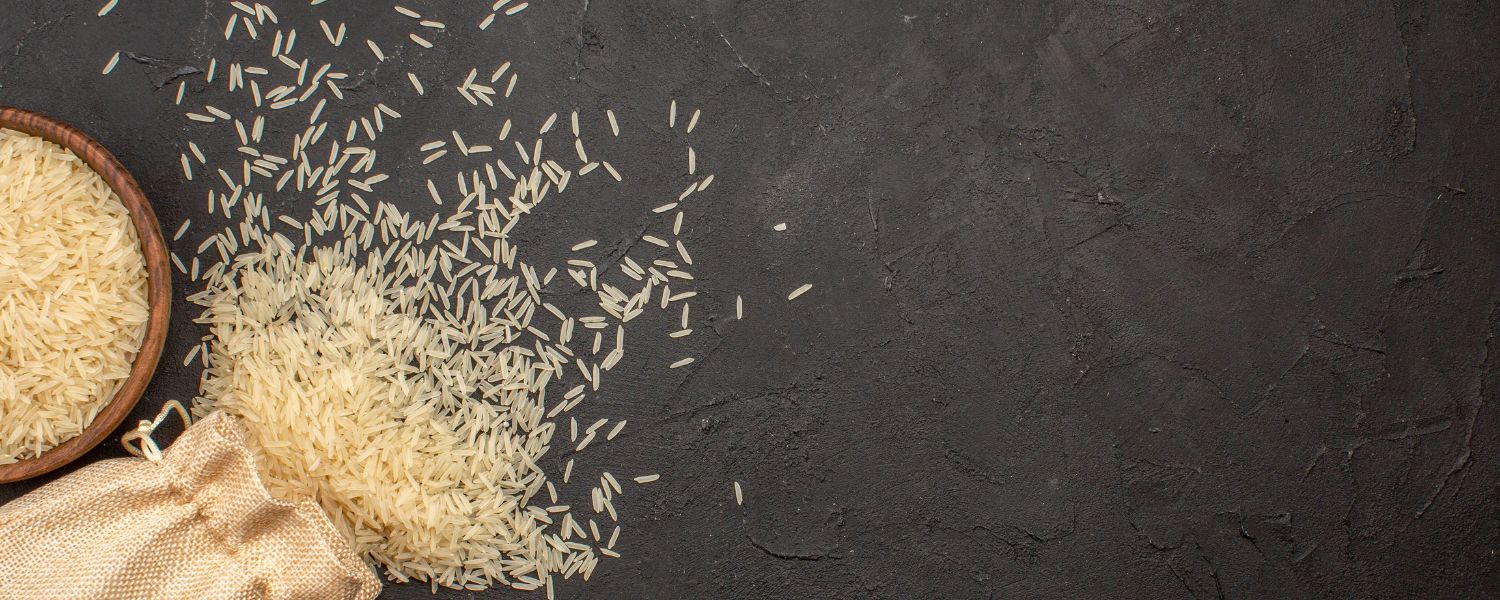
Basmati rice, known for its exquisite aroma and delicate flavor, has been cherished for centuries as a staple in many cuisines around the world. Beyond its culinary appeal, Basmati rice offers a range of health benefits that make it a preferred choice for those seeking nutritious and wholesome grains. In this blog post, we’ll delve into the nutritional profile of Basmati rice, explore its various health benefits, and understand why Shri Lal Mahal Rice stands out as a trusted provider of premium Basmati rice.

Nutritional Profile of Basmati Rice

Basmati rice boasts a rich nutritional profile that sets it apart from other varieties of rice. With its low fat content and high carbohydrate content, Basmati rice serves as an excellent source of energy for the body. Additionally, it contains essential vitamins and minerals, including niacin, thiamine, and iron, which play crucial roles in supporting overall health and well-being.

Health Benefits of Basmati Rice

Consuming Basmati rice offers a list of health benefits, making it a valuable addition to any diet. Its high fiber content promotes healthy digestion and can help prevent digestive issues such as constipation. Moreover, Basmati rice has a low glycemic index, meaning it causes a slower and steadier increase in blood sugar levels, making it an ideal choice for individuals managing diabetes or insulin resistance.

Shri Lal Mahal Rice: A Trusted Brand

When it comes to Basmati rice, Shri Lal Mahal Rice stands out as a leading provider of premium-quality grains. With a legacy of excellence spanning decades, Shri Lal Mahal Rice has earned a reputation for its commitment to quality, authenticity, and sustainability. The brand’s meticulous sourcing and production processes ensure that every grain of rice meets the highest standards of purity and taste.

What Sets Shri Lal Mahal Rice Apart

What distinguishes Shri Lal Mahal Rice from other brands is its unwavering dedication to preserving the essence of Basmati rice. From the fertile fields of the Himalayan foothills to your dining table, Shri Lal Mahal Rice upholds the traditions and craftsmanship that make Basmati rice truly exceptional. With its distinct aroma, slender grains, and unparalleled taste, Shri Lal Mahal Rice offers a culinary experience like no other.

Certifications and Quality Assurance

Shri Lal Mahal Rice places a strong emphasis on quality assurance and product safety. The brand adheres to stringent quality control measures and holds certifications from renowned organizations, ensuring that consumers receive only the finest and most authentic Basmati rice. From farm to fork, Shri Lal Mahal Rice is committed to delivering excellence at every step of the journey.

Ways to Incorporate Basmati Rice into Your Diet

Now that we’ve explored the health benefits of Basmati rice, it’s time to discover delicious ways to incorporate this nutritious grain into your diet. From classic dishes like biryani and pilaf to innovative recipes like rice bowls and salads, the versatility of Basmati rice knows no bounds. Get creative in the kitchen and savor the wholesome goodness of Basmati rice with every meal.

In conclusion, Basmati rice offers a myriad of health benefits that make it a valuable addition to any diet. With its nutritional richness and exquisite taste, Basmati rice has earned its status as a beloved grain worldwide. When choosing Basmati rice, opt for Shri Lal Mahal Rice for unparalleled quality, authenticity, and flavor that truly stands out.

Share:

Facebook
Twitter
Pinterest
LinkedIn

Related Posts

Buying Rice Here’s What Matters Beyond Price
Blogs
admin

Buying Rice? Here’s What Matters Beyond Price

Buying Rice is one of those intricate tasks which requires proper knowledge of rice, its quality and aroma. Therefore, it does not wholly depend on price. There is a lot about buying rice beyond rice. Today, we will discuss this intricate task and find out some suggestions for buying rice beyond price.
Introduction
Most shoppers focus on price, but buying the cheapest rice isn’t always the smartest choice. Rice quality affects not only taste and texture, but also how it cooks, how nutritious it is, and how satisfying it feels in a meal. Different rice types vary in fibre, aroma, grain length, and cooking behaviour. These are the factors that can turn a dish from bland to exceptional. Understanding these differences helps you choose rice that fits your health needs, cooking style, and cultural dishes, rather than just your budget.

Read More »
The Struggles Of Cooking Rice Why It Breaks, Sticks, and Tests Our Patience
Blogs
admin

The Struggles Of Cooking Rice: Why It Breaks, Sticks, and Tests Our Patience

Rice is the primary staple food in the world and is generally found in every kitchen. Moreover, it is often considered a basic dish that requires little skill to prepare. Since it appears so simple, cooking rice is usually considered normal, until it goes wrong. However, it is pretty normal that several kitchens have experienced a little disappointment when opening a pot to find rice that is either broken, mushy or clumped together instead of light and fluffy. Surprisingly, despite using the same ingredients and methods, the results can be frustratingly inconsistent, making rice one of the most deceptively difficult foods to master. This struggle raises an important question: if rice is such a fundamental food, why does it so often break or stick together during cooking?

Read More »
GI Tagged Rice Varieties And India’s Cultural Heritage
Blogs
admin

GI Tagged Rice Varieties And India’s Cultural Heritage: A Journey Across The Regions

It’s a sign used for products that originate from a particular location, having a distinct nature and a unique quality, reputation or characteristic essentially attributable to that origin. Moreover, it acts as a certification ensuring authenticity, quality and preventing misuse by unauthorised users. Hence, safeguarding traditional Knowledge, boosting local economies and preserving cultural heritage. Notably, the GI tag is granted under the Geographical Indications of Goods (registration and protection) Act 1999, in India. It remains valid for 10 years, but it has to be renewed. Its failure could cause the lapse of registration and thus leave the product unprotected against misuse or imitation.

Read More »