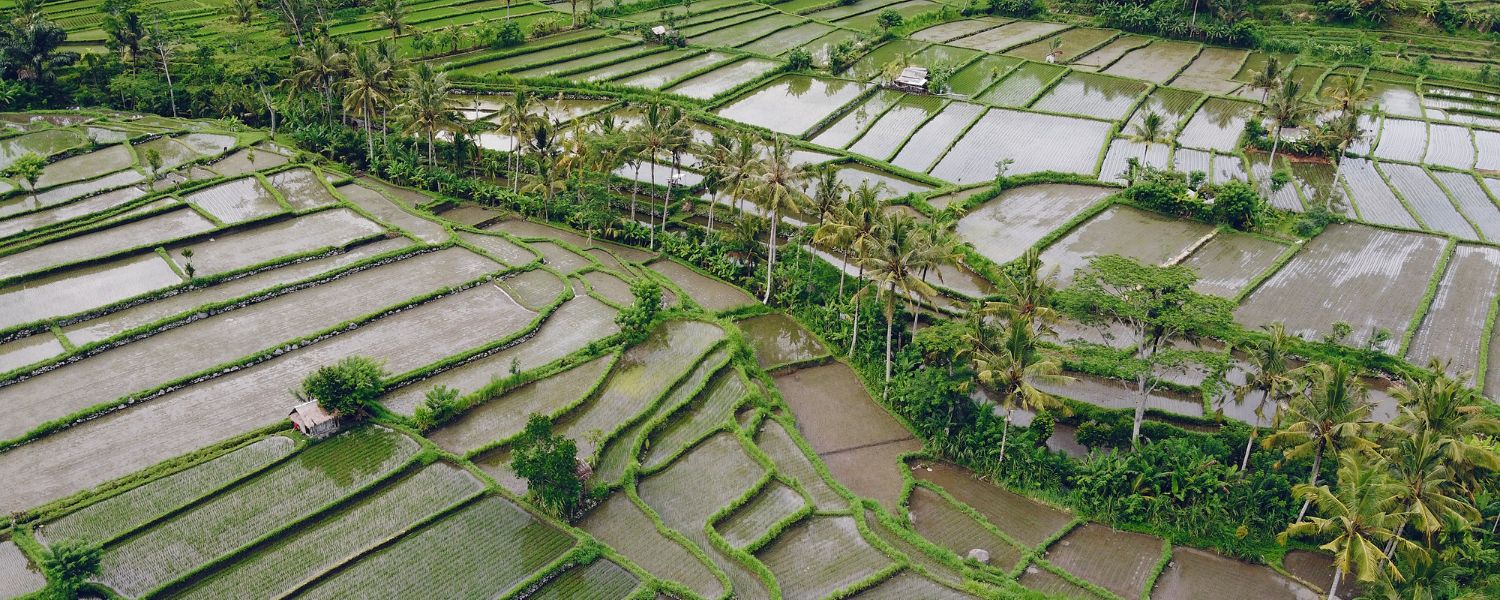
Rice, often termed as the “staple food of the world,” plays a crucial role in the diets of billions of people globally. Its journey from field to plate is a fascinating narrative of cultivation, processing, distribution, and culinary diversity. In this blog post, we embark on a journey to understand the intricate process of rice exportation, from its humble beginnings in the fields to its flavorful presence on dinner tables worldwide.
Rice exportation is not merely a commercial endeavor; it’s a testament to centuries-old traditions, innovative agricultural practices, and the interconnectedness of global food systems. Understanding this journey offers insights into the complexities and challenges of feeding a growing population sustainably.
The Origins: Where Rice Cultivation Begins
Our journey begins in the verdant fields of Asia, where rice cultivation originated thousands of years ago. Today, rice is grown in diverse geographical regions, from the lush paddies of Southeast Asia to the sprawling farms of the Americas. Farmers employ a blend of traditional wisdom and modern techniques to cultivate this precious grain, ensuring bountiful harvests year after year.
Harvesting the Golden Grain: Techniques and Traditions
The process of rice harvesting is a labor-intensive yet rewarding endeavor. Farmers carefully tend to their crops, nurturing them from seedlings to mature plants ready for harvest. Traditions and rituals surrounding rice harvesting vary across cultures, symbolizing the importance of this crop in sustaining communities and livelihoods.
From Farms to Mills: Processing Rice for Export
Once harvested, rice undergoes a series of processing stages to prepare it for export. Modern milling techniques ensure the removal of husks, bran, and impurities while preserving the nutritional integrity of the grain. This meticulous process transforms raw rice into the polished grains preferred by consumers worldwide.
Navigating the Supply Chain: Distributing Rice Worldwide
The journey of rice doesn’t end at the processing mill; it continues through a vast network of distributors, wholesalers, and retailers. Logistics play a crucial role in ensuring the timely and efficient delivery of rice to markets around the globe. From bulk shipments to specialized packaging for niche markets, the supply chain adapts to meet the diverse needs of consumers.
Quality Assurance: Ensuring Premium Rice for Consumers
Quality control measures are paramount in rice exportation to maintain the reputation of brands and meet regulatory standards. From rigorous testing for purity and consistency to certifications verifying sustainable and ethical practices, exporters prioritize delivering premium rice products to discerning consumers.
On the Plate: Exploring Culinary Delights with Rice
Finally, we arrive at the culmination of the rice journey – the dinner table. Rice serves as the canvas for a myriad of culinary creations, from comforting bowls of steamed rice to exotic dishes infused with spices and flavors from around the world. Whether enjoyed as a simple side dish or the centerpiece of a gourmet meal, rice continues to delight palates and nourish bodies across cultures and continents.
The journey of rice exportation is a testament to the ingenuity, resilience, and interconnectedness of agricultural communities worldwide. From the fertile fields where it’s cultivated to the plates where it’s savored, rice embodies the essence of sustenance and cultural heritage. By understanding and appreciating this journey, we gain a deeper appreciation for the humble grain that sustains us all.
Share:
Related Posts

Buying Rice? Here’s What Matters Beyond Price
Buying Rice is one of those intricate tasks which requires proper knowledge of rice, its quality and aroma. Therefore, it does not wholly depend on price. There is a lot about buying rice beyond rice. Today, we will discuss this intricate task and find out some suggestions for buying rice beyond price.
Introduction
Most shoppers focus on price, but buying the cheapest rice isn’t always the smartest choice. Rice quality affects not only taste and texture, but also how it cooks, how nutritious it is, and how satisfying it feels in a meal. Different rice types vary in fibre, aroma, grain length, and cooking behaviour. These are the factors that can turn a dish from bland to exceptional. Understanding these differences helps you choose rice that fits your health needs, cooking style, and cultural dishes, rather than just your budget.

The Struggles Of Cooking Rice: Why It Breaks, Sticks, and Tests Our Patience
Rice is the primary staple food in the world and is generally found in every kitchen. Moreover, it is often considered a basic dish that requires little skill to prepare. Since it appears so simple, cooking rice is usually considered normal, until it goes wrong. However, it is pretty normal that several kitchens have experienced a little disappointment when opening a pot to find rice that is either broken, mushy or clumped together instead of light and fluffy. Surprisingly, despite using the same ingredients and methods, the results can be frustratingly inconsistent, making rice one of the most deceptively difficult foods to master. This struggle raises an important question: if rice is such a fundamental food, why does it so often break or stick together during cooking?

GI Tagged Rice Varieties And India’s Cultural Heritage: A Journey Across The Regions
It’s a sign used for products that originate from a particular location, having a distinct nature and a unique quality, reputation or characteristic essentially attributable to that origin. Moreover, it acts as a certification ensuring authenticity, quality and preventing misuse by unauthorised users. Hence, safeguarding traditional Knowledge, boosting local economies and preserving cultural heritage. Notably, the GI tag is granted under the Geographical Indications of Goods (registration and protection) Act 1999, in India. It remains valid for 10 years, but it has to be renewed. Its failure could cause the lapse of registration and thus leave the product unprotected against misuse or imitation.